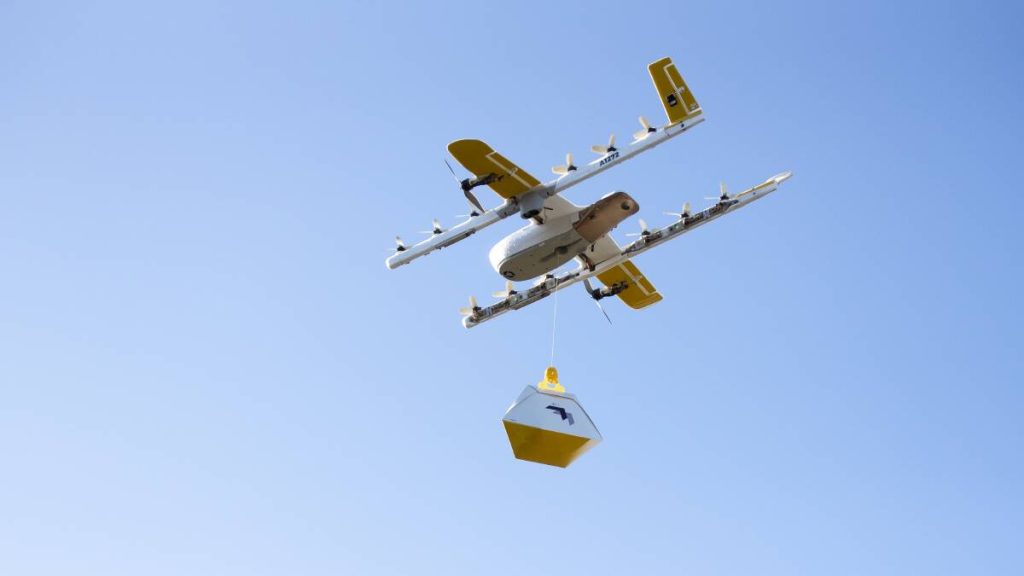
Wing, a subsidiary of Alphabet Inc. (Google’s parent company), has been at the forefront of drone delivery technology with its innovative Wing drone delivery service. Revolutionizing the way goods are transported, Wing’s autonomous drones offer fast, efficient, and environmentally friendly delivery solutions for a wide range of products. Let’s dive into the world of Wing drone delivery, exploring its technology, benefits, operational process, and impact on the future of logistics.
The Technology Behind Wing Drone Delivery
- Autonomous Drones: Wing’s delivery drones are cutting-edge autonomous aircraft designed for vertical takeoff and landing (VTOL) without the need for a runway.
- Rotary Wing Design: Featuring multiple rotors for stability and maneuverability, these drones can navigate various terrains and weather conditions.
- Advanced Sensors: Equipped with GPS, cameras, and other sensors, Wing drones can autonomously navigate their delivery routes while avoiding obstacles.
- Payload Capacity: Despite their compact size, Wing drones can carry payloads of up to several pounds, making them ideal for delivering small packages such as groceries, medications, and household essentials.
Benefits of Wing Drone Delivery
- Speedy Delivery: Wing’s drones offer rapid delivery times, significantly reducing the time it takes to transport goods from point A to point B.
- Efficiency and Cost-Effectiveness: By bypassing traditional road traffic, Wing drones streamline delivery operations and reduce costs for businesses.
- Environmental Impact: With their electric propulsion systems, Wing drones produce zero emissions during flight, contributing to a greener and more sustainable delivery solution.
- Contactless Delivery: In an era of heightened hygiene awareness, Wing’s drone delivery provides a contactless option for customers, minimizing the risk of virus transmission.
- Accessibility: Wing drones can reach remote or hard-to-access areas, improving access to essential goods for rural communities and underserved areas.
How Wing Drone Delivery Works
- Order Placement: Customers place orders through Wing’s mobile app or website, selecting items from partner businesses.
- Packaging and Preparation: Partner businesses securely package the items and attach them to the drone for delivery.
- Dispatch and Navigation: Wing’s distribution center dispatches the drone, which autonomously navigates its route using GPS and sensors.
- Delivery Drop-off: Upon reaching the destination, the drone hovers at a safe altitude and lowers the package using a winch system.
- Notification and Pickup: The customer receives a notification on their mobile device, alerting them that their package has arrived. They can then retrieve the package from a designated delivery spot.
Operational Considerations and Challenges
- Regulatory Approval: Operating drones for commercial delivery requires approval from aviation authorities, and compliance with regulations is essential for safe and legal operations.
- Weather Conditions: Adverse weather, such as strong winds or rain, can impact drone operations and may lead to delays or cancellations.
- Safety Measures: Wing implements robust safety protocols, including collision avoidance technology and emergency landing procedures, to ensure safe operations.
- Public Acceptance: Addressing concerns related to noise pollution, privacy, and the visual impact of drones flying overhead is crucial for widespread acceptance.
Impact on the Future of Logistics
- Last-Mile Delivery: Wing’s drone delivery service excels in last-mile delivery, bridging the gap between distribution centers and customers’ doorsteps.
- E-commerce Growth: As online shopping continues to grow, Wing’s efficient and reliable drone delivery offers a competitive edge for businesses seeking fast and convenient shipping options.
- Emergency Response: Wing drones can play a vital role in emergency situations, delivering critical supplies such as medical equipment, first aid kits, and food to areas affected by disasters.
- Urban Mobility: In densely populated urban areas, Wing’s drones can alleviate traffic congestion and offer a sustainable alternative for delivering goods.
- Innovation Catalyst: Wing’s pioneering efforts in drone delivery inspire further innovation in the logistics industry, spurring the development of new technologies and delivery methods.
Conclusion
Wing’s drone delivery service represents a transformative shift in the logistics landscape, offering a glimpse into the future of efficient, eco-friendly, and convenient delivery solutions. With their advanced technology, Wing drones are poised to revolutionize last-mile delivery, benefiting businesses, consumers, and the environment alike.
As Wing continues to expand its operations and partner with businesses worldwide, the potential for drone delivery to become a mainstream logistics solution is becoming increasingly apparent. From speeding up delivery times to reaching remote areas and reducing carbon footprints, Wing’s drone delivery service is paving the way for a more connected, efficient, and sustainable future of logistics.
